Packaging That Answers to the Planet
Mono-material construction, post-consumer recycled resin and refillable formats, engineered so sustainability does not cost you shelf appeal.
Sustainability claims are easy to make and hard to verify. These are the specific changes we can make to your packaging, and what each one costs you.
Mono-Material
A single resin throughout the pack, including the closure, so it can actually enter a recycling stream instead of being rejected at sorting. Usually cost-neutral.
PCR Resin
Post-consumer recycled content from 30% up to 100%, depending on format and colour. Expect a slight tint variation and a modest price premium.
Refillable Systems
An outer that the customer keeps and an inner they replace. Higher unit cost up front, far lower material use over the product lifetime.
Material Reduction
Thinner walls and lighter closures where the formula allows. The cheapest sustainability win available, and often the largest.
Glass & Aluminium
Infinitely recyclable and widely accepted by kerbside programmes. Heavier to ship, so we model the total footprint before recommending it.
Decoration Choices
In-mould labelling and direct printing avoid the adhesives and label stock that contaminate recycling. Often overlooked.
Recyclable in theory is not recyclable in practice
A pack can be technically recyclable and still end up in landfill because the closure is a different polymer, the label will not separate, or the colour makes it unsortable.
We design around the sorting facility, not the spec sheet. That means asking where your product is sold and what those local systems actually accept before we recommend a material.
Discuss Your Requirements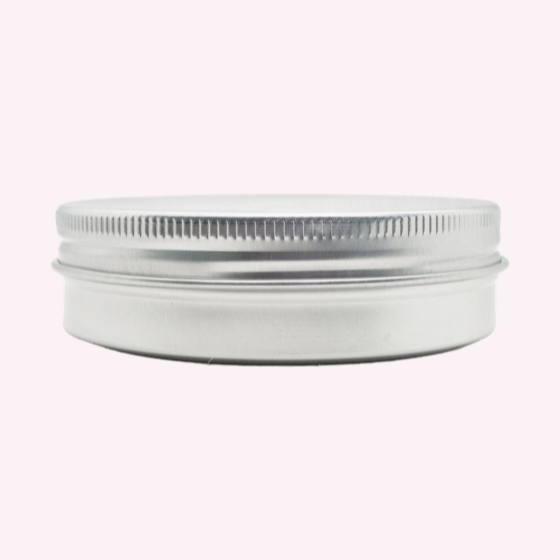
Does sustainable packaging cost more?
It depends on the lever. Material reduction usually saves money. Mono-material is typically cost-neutral. PCR resin carries a premium of roughly 5 to 15% depending on content level and colour. Refillable systems cost more per unit but less per use. We will show you the numbers for each option rather than quoting a single "sustainable" price.
What PCR content can you achieve?
For most PET and HDPE bottles we can reach 100% PCR. For PP closures, 50% is a realistic ceiling before functional performance suffers. Clear formats are harder than opaque, because recycled resin carries a slight grey or yellow tint that shows through.
Will PCR affect my formula?
Food-grade and cosmetic-grade PCR is available and tested for migration. We always recommend running a compatibility test with your actual formula before full production, and we supply samples for that purpose at no charge.
Can you certify the recycled content?
Yes. We supply documentation of PCR content and can arrange third-party verification where your market requires it, such as for EU packaging regulations or retailer sustainability audits.
What is the minimum order for sustainable formats?
Mono-material and PCR versions of our in-stock range start at the same 500-piece minimum. Refillable systems and custom sustainable formats typically require 1,000 pieces or more because of tooling and material sourcing.
Build a pack you can defend
Tell us where your product sells and what claims you need to support. We will recommend materials that hold up to scrutiny.